
2026 Payment Tech Predictions: What's Next for Startups & Fintechs?

The payments landscape is about to experience its biggest transformation since the introduction of contactless cards. As we head into 2026, startups and fintechs need to understand the seismic shifts reshaping how money moves, how consumers pay, and where the biggest opportunities lie.
After analysing market data, regulatory developments, and emerging technologies, here are the key trends that will define the next wave of payment innovation – and what they mean for your business strategy.
The Rise of Invisible Payments
Forget everything you know about traditional checkout experiences. By 2026, the most successful payment companies won't be the ones with the slickest interfaces – they'll be the ones you never see.
Invisible payments are moving far beyond tap-and-go cards. We're talking about payments embedded so seamlessly into experiences that users won't even realise a transaction is happening. Your smart car will automatically pay for fuel when you pull up to the bowser. Your fridge will handle grocery replenishment without you lifting a finger.
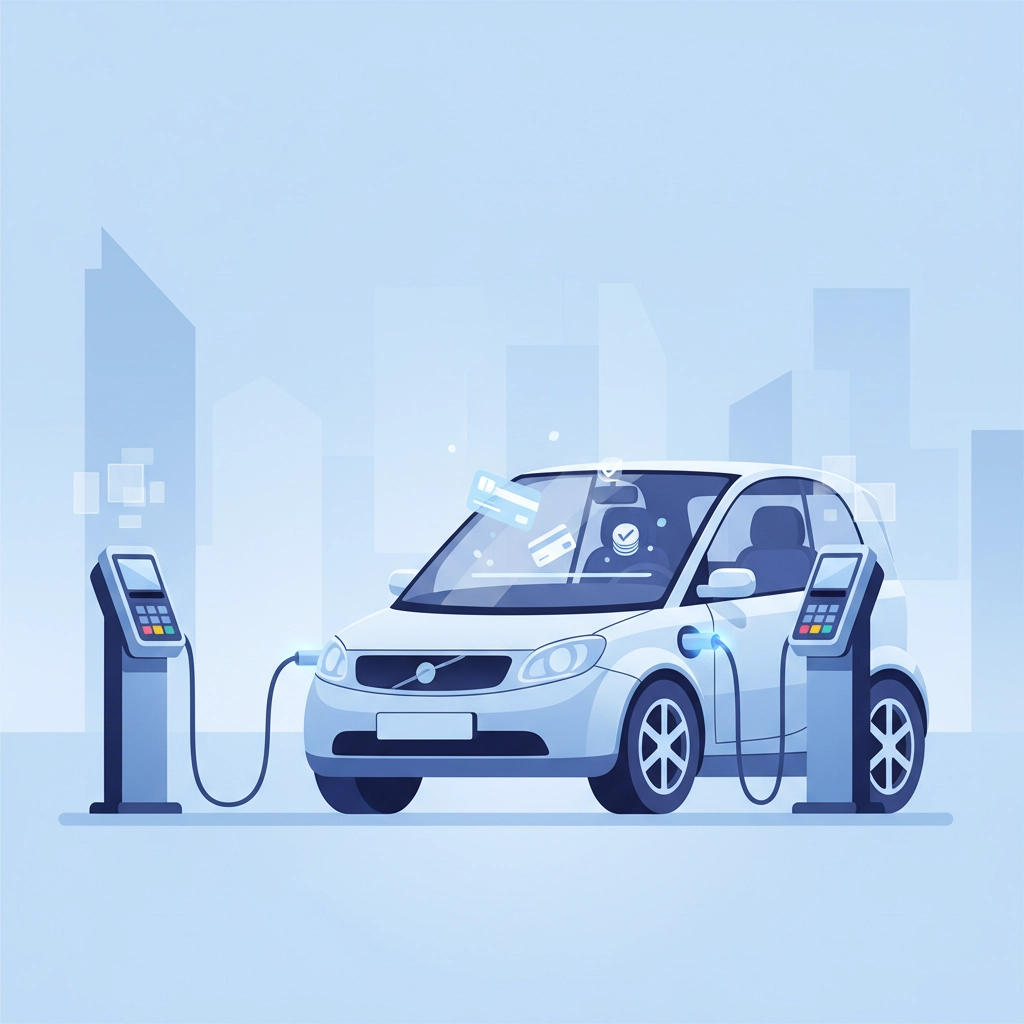
For fintechs, this represents a massive shift in thinking. Instead of competing on checkout speed or user interface design, successful companies will focus on becoming the invisible infrastructure that powers these seamless experiences.
The opportunity is enormous because three key forces are converging: embeddable payment infrastructure is now widely available, businesses are waking up to untapped revenue potential in payments, and AI agents are becoming sophisticated enough to handle complex purchasing decisions autonomously.
AI Agents Transform Payment Workflows
Speaking of AI agents – this is where things get really interesting. By the end of 2026, approximately one-third of B2B payment workflows will use autonomous AI agents. These aren't just chatbots that help with customer service; they're intelligent systems that can analyse spending patterns, negotiate payment terms, and execute complex procurement processes without human intervention.
The adoption split between B2B and consumer markets is telling. While businesses are embracing AI-powered payment automation for its efficiency gains, only 24% of consumers currently trust AI to make routine purchases on their behalf. This creates a clear strategic focus for startups: B2B payment automation offers the fastest path to market adoption and revenue growth.
Real-Time Payments Become the Standard
Australia has been ahead of the curve with real-time payments through the New Payments Platform (NPP), but 2026 will see similar infrastructure become standard globally. Faster ACH settlements, same-day processing, and real-time cross-border transfers will shift from premium features to baseline expectations.

For startups building payment solutions, this means reassessing your infrastructure strategy. Batch processing and next-day settlements will feel antiquated. Businesses will expect instant cash flow, real-time reconciliation, and immediate refund processing.
The competitive advantage lies not just in offering faster payments, but in building the financial management tools that help businesses optimise their cash flow in a real-time payment environment.
Account-to-Account Payments Gain Momentum
While card networks have dominated payment processing for decades, account-to-account (A2A) payments are finally gaining serious traction. Open banking initiatives worldwide are making it easier for customers to connect bank accounts directly, bypassing traditional card rails entirely.
A2A payments offer compelling advantages: lower processing costs, reduced fraud risk, and elimination of card decline issues. For merchants, the cost savings can be significant – especially for high-volume, low-margin transactions.
However, the user experience challenges remain real. A2A payments still require more steps than card payments, and consumer behaviour change takes time. The winning strategy for fintechs isn't to replace cards entirely, but to offer intelligent payment routing that automatically selects the optimal payment method based on transaction value, customer preference, and cost considerations.
Stablecoins: Niche but Growing
Despite the hype, stablecoins will remain niche for retail payments in 2026. The reality is that for most consumer transactions, traditional payment methods still offer better user experience, broader merchant acceptance, and clearer regulatory protection.

Where stablecoins will find their footing is in B2B cross-border payments, particularly in corridors where traditional banking infrastructure is slow or expensive. Crypto and stablecoin solutions excel in high-value international transactions, especially in emerging markets where currency volatility makes traditional settlements risky.
For fintechs considering crypto integration, focus on specific use cases where stablecoins solve real problems rather than building general-purpose consumer payment products.
Enhanced Fraud Detection and Security
Payment fraud is evolving, and so must fraud detection. By 2026, AI-enhanced fraud prevention will become table stakes, not a differentiator. Expect predictive risk scoring, real-time anomaly detection, and automated dispute resolution to become standard features.
Biometric authentication is getting a major upgrade too. New systems will include deepfake detection and liveness verification to combat increasingly sophisticated fraud attempts. The challenge for startups is building fraud detection capabilities that are both robust and lightweight enough to maintain seamless user experiences.
Regulatory Landscape Intensifies
Regulatory scrutiny in the payments sector is increasing, not decreasing. Operational resilience requirements, customer fund safeguarding, and data protection standards are becoming more stringent across jurisdictions.

For startups, this means building compliance into your product architecture from day one, not bolting it on later. The companies that treat regulatory compliance as a competitive advantage – by building more transparent, secure, and trustworthy products – will outperform those that view it as a cost burden.
Strategic Recommendations for Startups
Based on these trends, here's what fintech startups should prioritise:
Focus on B2B First: The appetite for payment innovation is stronger in business markets than consumer markets. B2B customers are more willing to adopt new technologies if they solve clear pain points like cash flow optimisation or process automation.
Build for Embedability: Don't just build great payment products – build products that other companies can embed seamlessly into their own experiences. The future belongs to payments that disappear into the background.
Invest in Intelligence: Raw payment processing is becoming commoditised. The value lies in intelligent features like predictive cash flow management, automated reconciliation, and smart payment routing.
Think Beyond Cards: While card payments aren't going anywhere, building flexibility into your payment stack to support A2A, crypto, and emerging payment methods will future-proof your business.
Embrace Real-Time: Batch processing and next-day settlements will feel outdated by 2026. Build your infrastructure to handle real-time payments and real-time data insights.
The Path Forward
The payments industry is at an inflection point. The technologies that will define the next decade are available today, but success will go to the companies that can combine technical innovation with deep understanding of user needs and regulatory requirements.
The opportunity is massive, but so is the complexity. Navigating these trends requires expertise not just in technology, but in market dynamics, regulatory frameworks, and business strategy.
If you're building in the payments space or looking to integrate advanced payment capabilities into your platform, getting expert guidance can accelerate your path to market and help you avoid costly mistakes.
Ready to discuss how these payment trends could impact your business strategy? Get in touch to explore how we can help you navigate the evolving payments landscape and build solutions that position you for success in 2026 and beyond.
Comments