
How Tokenisation Is Reshaping Security for Fintech Payments

In an era where data breaches cost businesses an average of $4.88 million and payment fraud continues to evolve at breakneck speed, tokenisation has emerged as the security backbone that's quietly revolutionising fintech payments. While many leaders understand tokenisation conceptually, few grasp how profoundly it's reshaping not just security protocols, but entire business models and competitive advantages in the fintech space.
Tokenisation replaces sensitive payment data with unique, cryptographically generated tokens that hold no exploitable value outside their specific payment ecosystem. But this seemingly simple swap is driving fundamental changes in how start-ups approach security architecture, compliance frameworks, and customer experience design.
The Mechanics Behind Modern Payment Security
At its core, tokenisation transforms a customer's 16-digit card number into a randomised character string that's mathematically impossible to reverse-engineer. When a customer initiates a payment, the original card data never touches your systems: instead, a secure token represents that data throughout the entire transaction lifecycle.
This isn't just encryption with a different name. Unlike encrypted data, which can theoretically be decrypted if the right keys are compromised, tokens are algorithmically meaningless outside their issuing network. A hacker intercepting tokenised data essentially captures gibberish that provides zero pathway to the original payment information.
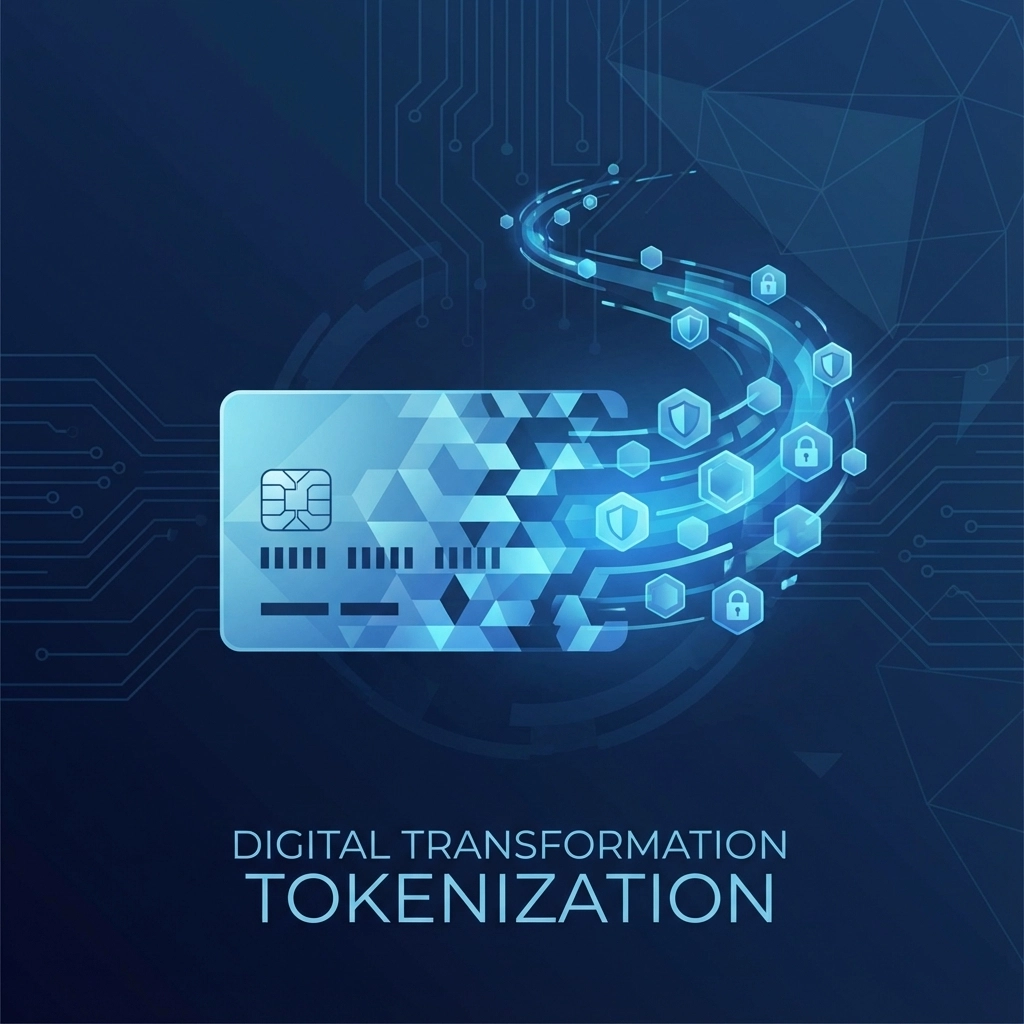
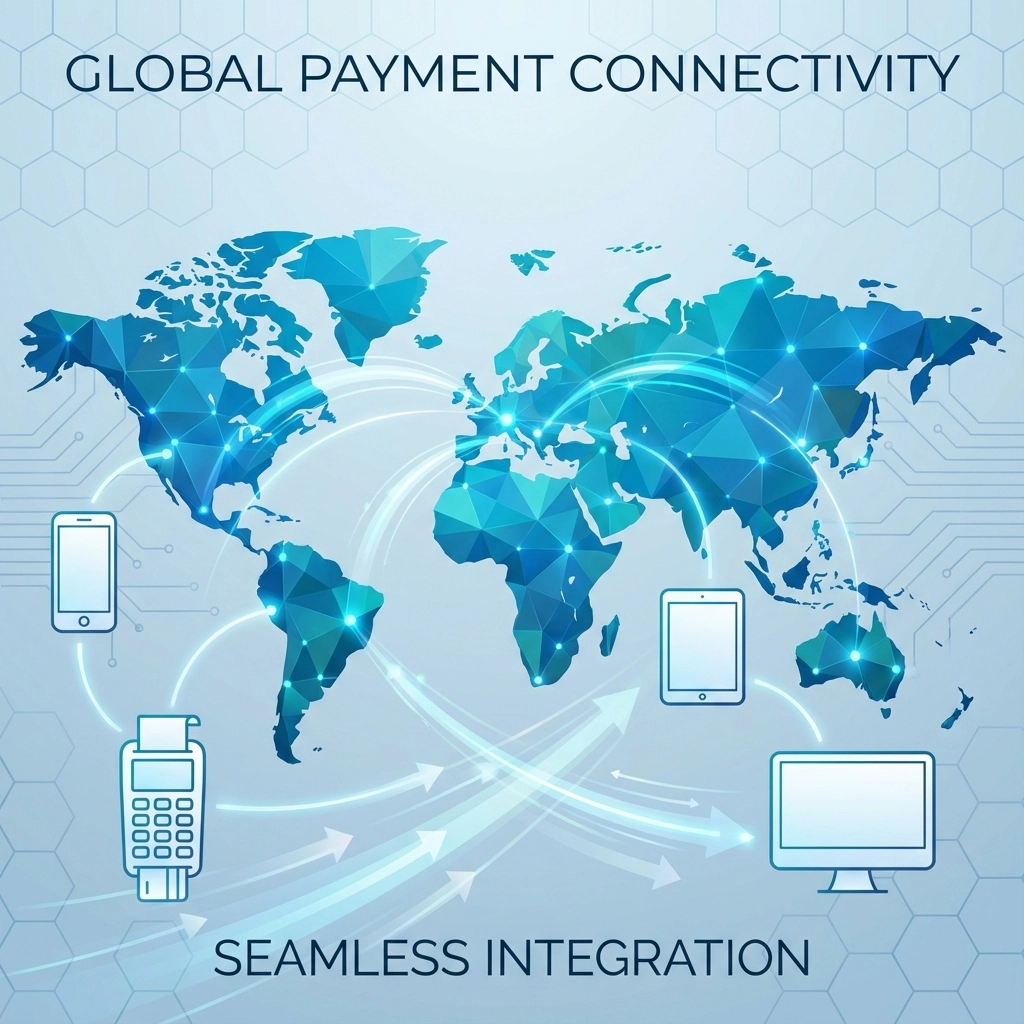
The process works seamlessly across channels. Whether a customer pays through your mobile app, website, or in-person terminal, the tokenisation occurs at the network level before reaching your infrastructure. This means your systems never process or store actual card numbers, fundamentally reducing your attack surface.
Quantifying the Security Revolution
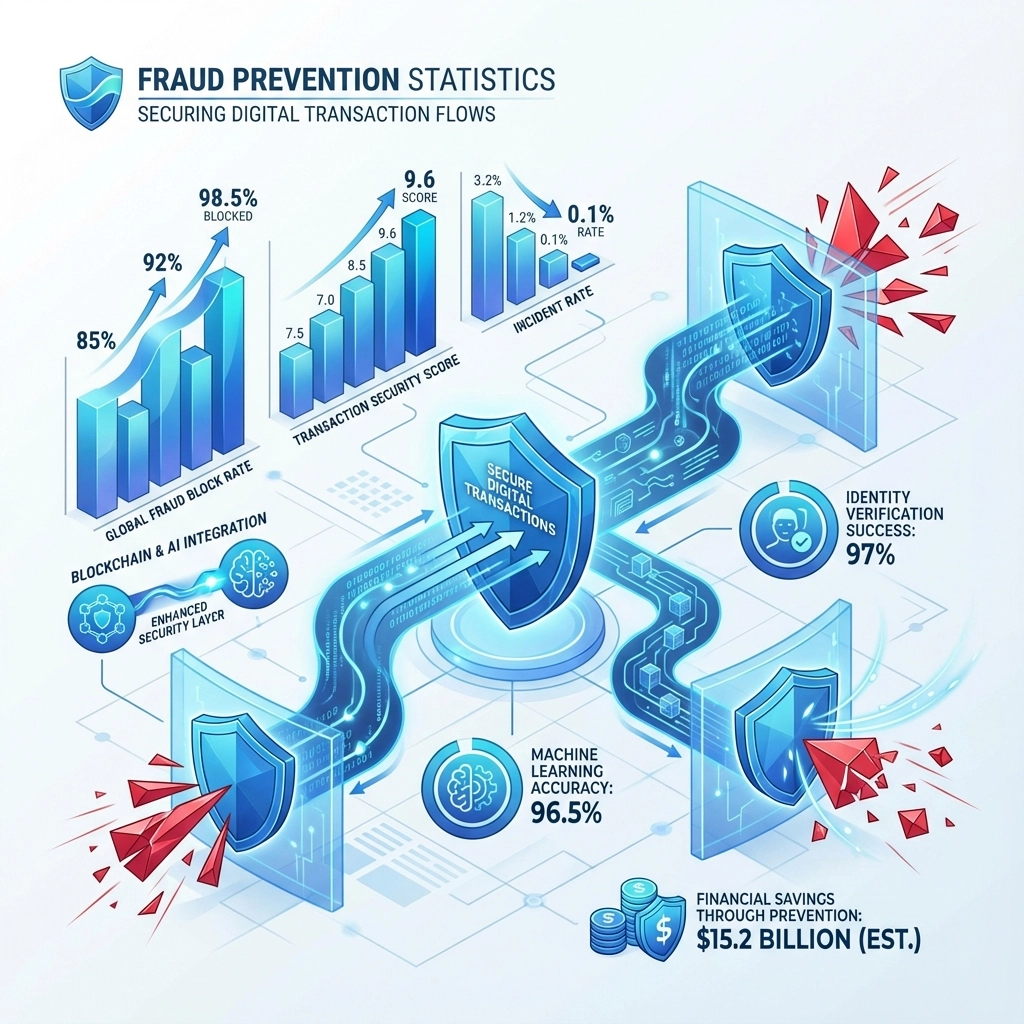
The numbers tell a compelling story about tokenisation's impact on payment security. Network tokenisation reduces fraud rates by up to 26% while simultaneously improving transaction approval rates: a rare combination of enhanced security and better business outcomes.
For fintech start-ups, these improvements translate directly to bottom-line benefits. Authorisation rates typically increase by 3% to 13% with tokenised payments, which can represent millions in additional revenue for high-volume platforms. Consider a fintech processing $100 million annually: even a 5% improvement in approval rates could generate an additional $5 million in successful transactions.
The fraud reduction aspect is equally significant. Traditional card-not-present fraud, which particularly impacts digital-first fintechs, becomes substantially more difficult when attackers can only access meaningless tokens. Even if your database is compromised, the stolen data provides no viable pathway to financial fraud.
Strategic Implications for Fintech Startups
For emerging fintech companies, tokenisation isn't just a security upgrade: it's a strategic differentiator that affects multiple dimensions of business operations. Start-ups implementing tokenisation from day one gain significant advantages in three critical areas: regulatory compliance, operational efficiency, and customer experience.
From a compliance perspective, tokenisation dramatically simplifies PCI DSS requirements. Rather than building and maintaining extensive security infrastructure around stored card data, start-ups can focus resources on core product development while relying on network-level tokenisation for data protection. This shift can reduce compliance costs by 60-80% compared to traditional card data storage approaches.
Operationally, tokenisation enables sophisticated payment orchestration strategies that would be prohibitively complex with raw card data. Start-ups can route payments across multiple processors, implement dynamic routing based on transaction characteristics, and maintain consistent customer payment profiles across various service providers: all while maintaining security integrity.
Real-World Applications Reshaping Fintech
The practical applications of tokenisation extend far beyond basic transaction security, enabling entirely new business models and customer experiences that weren't previously feasible.
Subscription and Recurring Payment Innovation: Tokenisation allows automatic card updates when customers receive new cards due to expiry or reissue. This seemingly simple feature eliminates a major friction point that typically causes 15-20% of subscription cancellations. For subscription-based fintechs, this translates to dramatically improved customer lifetime value.
Cross-Border Payment Optimisation: Global fintechs leverage tokenisation to maintain consistent customer payment profiles across different regional processors and regulatory environments. A customer's tokenised payment method can seamlessly work across markets without exposing sensitive data to multiple international systems.
Embedded Finance Enablement: For fintechs offering embedded payment solutions to other businesses, tokenisation provides the security foundation necessary for white-label implementations. Partners can integrate payment functionality without taking on the security and compliance burden of handling actual card data.
Dynamic Authentication and Fraud Prevention: Advanced tokenisation implementations integrate with biometric authentication and AI-driven fraud detection systems. These combinations create adaptive security models that become more sophisticated over time, learning from transaction patterns while maintaining data protection.
Implementation Strategy for Fintech Leaders
Successfully implementing tokenisation requires strategic thinking beyond simple technical integration. Leaders need to consider how tokenisation fits into broader security architecture, business model evolution, and competitive positioning.
The most effective implementations treat tokenisation as an enabler of broader payment strategy rather than an isolated security feature. This means designing systems architecture that leverages tokenisation for payment orchestration, customer experience optimisation, and data analytics: not just fraud prevention.
Timing matters significantly in tokenisation adoption. While retrofitting existing systems can be complex and expensive, building tokenisation into initial architecture provides maximum flexibility and cost efficiency. Start-ups have a distinct advantage here, as they can design token-first payment flows from the ground up.
Partnership strategy becomes crucial in tokenisation implementation. The choice between network tokenisation (provided by card schemes like Visa and Mastercard) versus payment processor tokenisation affects everything from transaction routing flexibility to international expansion capabilities. Leaders must evaluate these options based on long-term business strategy, not just immediate technical requirements.
Future-Proofing Your Payment Security Strategy
The tokenisation landscape continues evolving rapidly, with new capabilities emerging that will further reshape fintech payment security. Understanding these trends is essential for leaders planning multi-year technology roadmaps.
Artificial intelligence integration represents the next frontier in tokenised payment security. AI systems can analyse tokenised transaction patterns to detect sophisticated fraud attempts that would be invisible to traditional rule-based systems. This creates opportunities for fintechs to offer enhanced security as a competitive differentiator.
Biometric tokenisation is emerging as a powerful authentication enhancement, where payment tokens become linked to specific biometric identifiers. This creates nearly frictionless payment experiences while maintaining enterprise-grade security: particularly valuable for mobile-first fintech applications.

Cross-network token portability is developing as a capability that could revolutionise payment flexibility. Customers may soon maintain consistent payment identities across different payment networks and service providers, enabled by sophisticated tokenisation protocols.
Competitive Advantage Through Security Excellence
For fintech leaders, tokenisation represents more than risk mitigation: it's a foundation for building sustainable competitive advantages. Companies that implement comprehensive tokenisation strategies position themselves to offer superior security, better customer experiences, and more flexible payment solutions than competitors relying on traditional security approaches.
The businesses thriving in fintech's next phase will be those that view security not as a compliance obligation, but as a product differentiator and business enabler. Tokenisation provides the technical foundation for this strategic shift, but realising its full potential requires leadership vision that connects security capabilities to customer value and business growth.
As payment fraud becomes increasingly sophisticated and customer expectations for seamless experiences continue rising, tokenisation isn't just reshaping security: it's becoming the foundation upon which next-generation fintech success is built.
Ready to explore how tokenisation can transform your fintech's security and growth strategy? Connect with our team to discuss implementation approaches tailored to your specific business model and growth objectives.
Comments