
Passkeys vs 3DS: Which Authentication Method Will Dominate Fintech in 2026?

The fintech world is at a crossroads. We're seeing a massive shift in how people authenticate online payments, and two heavyweight contenders are battling for supremacy: passkeys and 3D Secure (3DS).
For fintech startups and merchants, choosing the wrong authentication method could mean losing customers, failing compliance checks, or worse – getting hit with fraud losses. So which technology will come out on top by 2026?
Let's break it down without the marketing fluff.
What Are Passkeys?
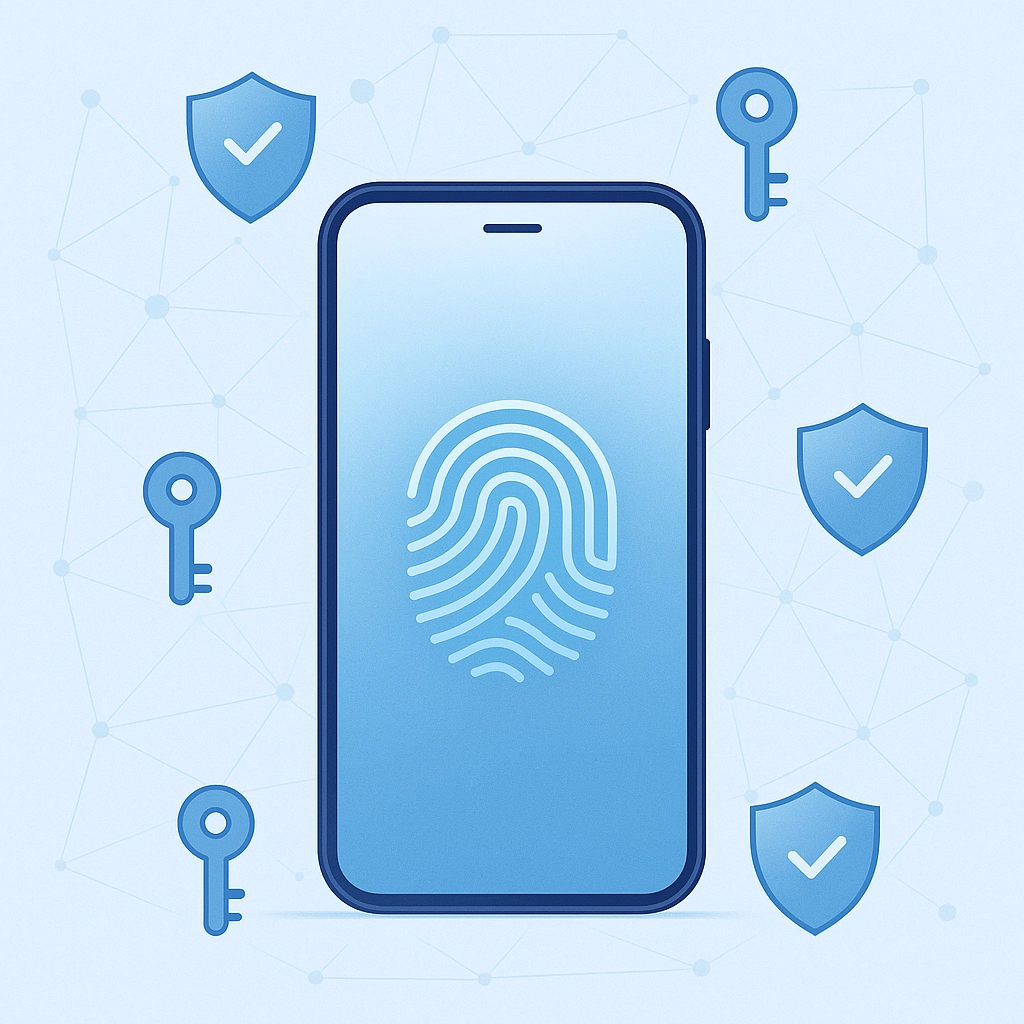
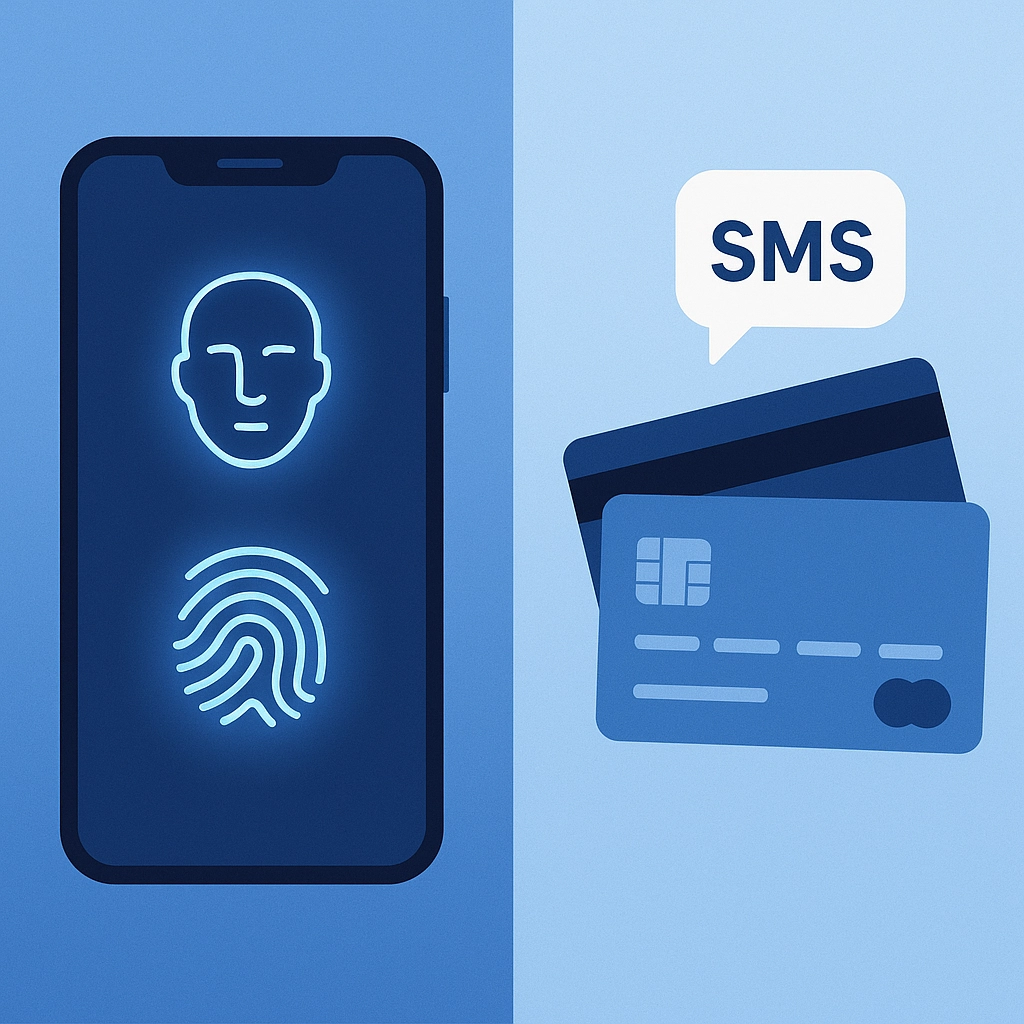
Think of passkeys as the cool new kid on the block. They're cryptographic credentials that live on your device – whether that's your phone, laptop, or security key. Instead of typing passwords, users just use their fingerprint, face, or device PIN to authenticate.
Here's what makes them special: passkeys use public-key cryptography. Your device creates a unique key pair for each website. The public key goes to the website, but the private key never leaves your device. Even if hackers break into the website's database, they can't use your credentials elsewhere.
The Good Stuff:
Unphishable – they're tied to specific websites, so fake sites can't trick them
No shared secrets – nothing useful for hackers to steal
Better user experience – one touch instead of remembering complex passwords
Built-in multi-factor – biometrics are already part of the process
The Not-So-Good:
Limited support – not every browser or device plays nice yet
Cross-platform headaches – moving between different ecosystems can be tricky
Implementation costs – businesses need to invest in new infrastructure
What Is 3D Secure (3DS)?
3D Secure has been the reliable workhorse of payment authentication for years. You've probably used it – it's that extra step where your bank asks you to confirm a payment via SMS, app notification, or a redirect to their website.
The current version (3DS 2.0) is much smarter than the old pop-up windows. It runs risk analysis in the background and only bothers customers when transactions look suspicious.
The Good Stuff:
Widespread adoption – pretty much every major payment processor supports it
Regulatory compliance – meets Strong Customer Authentication requirements in Europe
Fraud liability shift – merchants get protection from chargebacks when properly implemented
Risk-based authentication – only triggers when needed
The Not-So-Good:
Cart abandonment – extra steps can put customers off completing purchases
Still vulnerable to sophisticated phishing – users can be tricked into entering details on fake sites
Inconsistent experience – different banks handle it differently
Head-to-Head: The Key Battles
Security
Winner: Passkeys
While both methods provide strong security, passkeys are fundamentally unphishable. Even the most sophisticated phishing attack can't steal credentials that work on other sites. 3DS, while secure, still relies on users making good decisions about where they enter their authentication details.
User Experience
Winner: Passkeys
One biometric scan versus multiple redirects and SMS codes? No contest. Passkeys provide a smoother, faster experience that doesn't make customers jump through hoops.
Industry Support
Winner: 3DS (for now)
3DS has a massive head start with universal support across payment networks, banks, and processors. Passkeys are growing fast, but they're still catching up.
Implementation Complexity
Winner: 3DS
Most payment processors already handle 3DS integration, so adding it to existing systems is relatively straightforward. Passkeys require more significant changes to authentication flows.
The Numbers Don't Lie
Industry research shows some compelling trends. According to recent studies, 49% of companies experienced security breaches last year, with 87% linked to identity vulnerabilities. The average cost? $2.5 million per incident.
Meanwhile, passkey adoption is accelerating. Major tech companies are pushing hard for widespread implementation, and we're seeing growing support across browsers and operating systems.
What's Happening in the Industry Right Now
Big Tech is Going All-In on Passkeys Google, Apple, and Microsoft are heavily promoting passkeys as the future of authentication. They're building the infrastructure and pushing developers to adopt the technology.
Regulators Are Watching European regulations like PSD2 require Strong Customer Authentication for online payments. Currently, 3DS meets these requirements, but regulators are showing interest in newer, more secure methods.
Customer Expectations Are Rising Users want seamless experiences without compromising security. The friction of traditional authentication is becoming less acceptable.
2026 Predictions: Reading the Tea Leaves
Here's what we expect to see by 2026:
Passkeys Will Dominate Consumer Authentication For everyday transactions and account access, passkeys will likely become the preferred method. The user experience advantage is too significant to ignore, and security improvements will drive enterprise adoption.
3DS Will Evolve Rather Than Disappear Instead of disappearing, 3DS will probably evolve to work alongside newer authentication methods. We might see hybrid approaches that use passkeys as the primary method with 3DS as a fallback for compliance.
Geographic Differences Will Matter Different regions will adopt these technologies at different rates. Europe's strict regulatory environment might slow passkey adoption in some contexts, while regions with fewer regulations could move faster.
Industry-Specific Adoption High-risk industries like gambling or luxury goods might stick with 3DS longer, while tech-forward sectors will embrace passkeys earlier.
What Fintech Startups Need to Do Now
Start Planning Your Authentication Strategy
Don't wait for 2026 to think about this. Start planning now:
Assess your current authentication setup – understand what you're using and why
Evaluate your customer base – consider their tech-savviness and device capabilities
Review regulatory requirements – ensure you understand what compliance means for your business
Plan for a gradual transition – sudden changes can confuse users
Consider a Hybrid Approach
The smartest fintech companies won't pick sides – they'll use both. Implement passkeys for the best user experience while maintaining 3DS for compliance and edge cases.
Invest in Education
Your team needs to understand both technologies. The authentication landscape is changing fast, and knowledge gaps could cost you.
Test and Measure
Whatever you implement, measure the results. Track authentication success rates, cart abandonment, and customer feedback. Data should drive your decisions, not hype.
The Bigger Picture
This isn't just about choosing between two authentication methods. It's about positioning your fintech business for the future of digital payments.
The companies that get this right will have lower fraud rates, happier customers, and better compliance records. Those that get it wrong will struggle with cart abandonment, security incidents, and regulatory issues.
The Reality Check Neither passkeys nor 3DS will completely eliminate the other by 2026. Instead, we'll see a more nuanced landscape where different authentication methods serve different purposes.
Passkeys will handle the bulk of everyday authentication thanks to their superior user experience and security model. 3DS will persist for regulatory compliance, high-risk transactions, and situations where passkey support isn't available.
Your Next Steps
The authentication revolution is happening whether you're ready or not. The question isn't whether to adopt new authentication methods – it's how to do it smartly.
Start by understanding your specific use case, customer base, and regulatory environment. Then develop a strategy that balances security, user experience, and compliance requirements.
Need help navigating these authentication choices for your fintech business? We specialise in helping companies implement the right payment and authentication strategies. Get in touch with us to discuss your specific requirements and develop a roadmap that positions your business for success in the evolving authentication landscape.
The future of fintech authentication is being written now. Make sure you're part of shaping it rather than just reacting to it.
Comments