
ISO 20022: More Than a Mandate: It’s Your New Secret Weapon
- Kian Jackson

- Mar 12
- 5 min read
Updated: Mar 22
If you have spent any time in the back offices of a Tier-1 bank or a scaling fintech lately, you have likely heard the term "ISO 20022" whispered with the kind of dread usually reserved for tax audits or surprise regulatory probes. For most, it is framed as a massive IT headache: a mandatory compliance hurdle that forces legacy systems to speak a new language before the old ones are sunsetted.
But here is the reality: if you view ISO 20022 as just a compliance box to tick, you are missing the biggest strategic play in payments since the invention of the internet.
As Dwayne Gefferie outlines in The Great Infrastructure Shift, we are witnessing a "protocol revolution." We are finally moving away from the 1970s-era "telegraph style" messaging that has underpinned global finance for decades and moving toward a world of rich, structured data. This isn't just about changing the format of a message; it’s about upgrading the fundamental DNA of how value moves across the globe.
The Death of the 1970s Telegram
For the last fifty years, global payments have relied on legacy formats like SWIFT MT or FedWire. These systems were designed in an era of limited bandwidth and expensive storage. As a result, they are incredibly "noisy." They rely on short, cryptic codes and free-text fields that require manual intervention more often than anyone cares to admit.
Think of an MT message like a telegram. You have limited space, so you truncate names, skip addresses, and hope the recipient knows what "INV-99-X" refers to. When that message hits a receiving bank, if a single character is out of place, the system throws an error. Humans have to step in. Delays happen. Fees pile up.
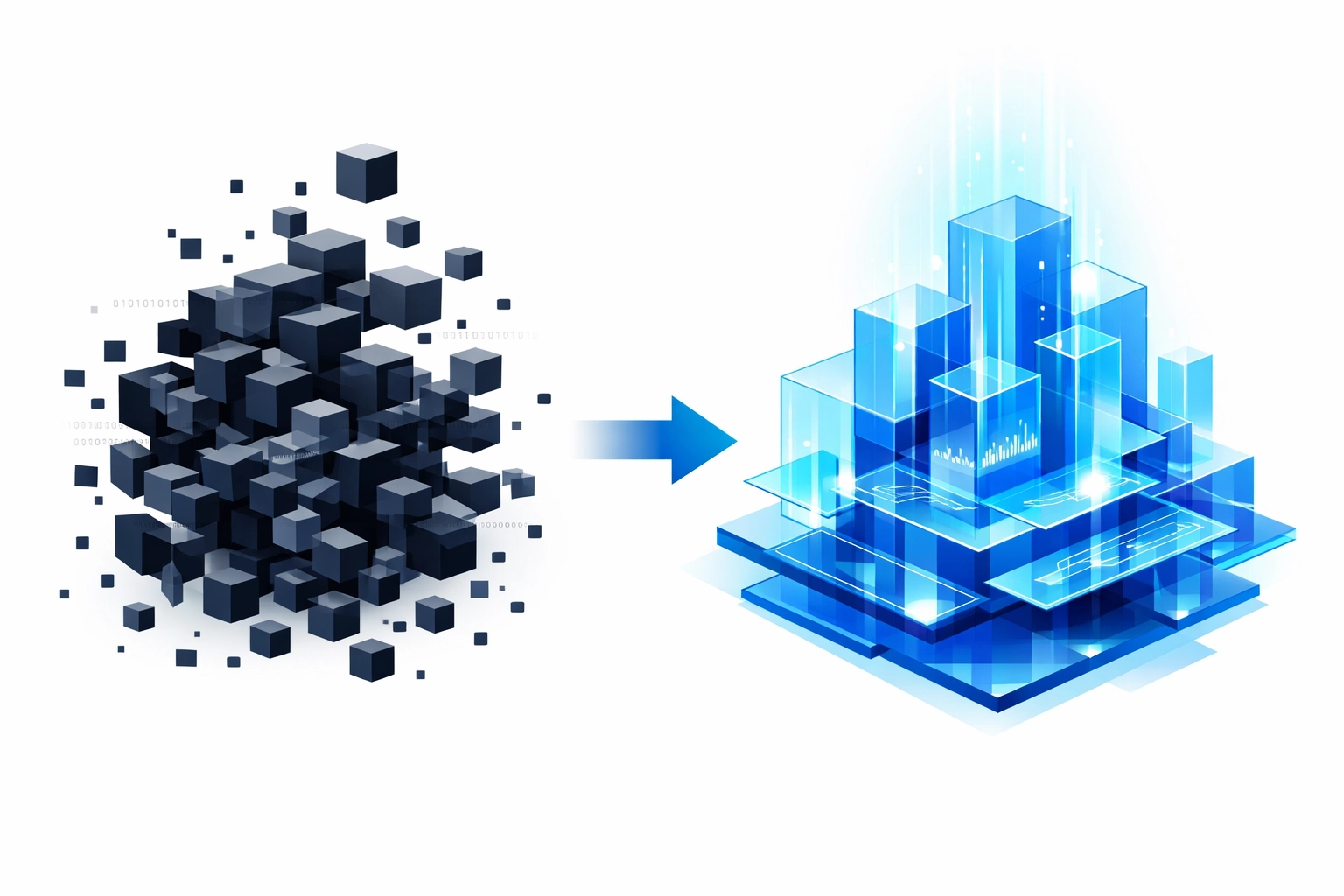
ISO 20022 replaces that telegram with a high-definition, structured data packet. Based on XML technology, it allows for roughly ten times more data per transaction. Instead of a messy string of text, we get dedicated fields for every piece of information: ultimate debtor, ultimate creditor, tax ID, invoice details, and the actual purpose of the payment.
At Kian Jackson, we call this the shift from "dumb pipes" to "intelligent flows."
The Billion-Dollar Blind Spot: Solving the "Do Not Honor" Trap
One of the most frustrating aspects of the legacy payment world is the lack of transparency in authorization. In my recent deep dives into authorization rate battles, I’ve highlighted how false declines cost the global economy billions every year.
A huge chunk of these declines comes from the dreaded "05: Do Not Honor" response. It’s the "Check Engine" light of payments: it tells you something is wrong, but it gives you zero clues as to what. Is it a fraud suspicion? A technical mismatch? A lack of funds?
ISO 20022 helps solve this by providing the "rich messaging" necessary for better communication between the merchant, the acquirer, and the issuer. When data is structured and consistent, the reasons for a decline become clearer. More importantly, the data allows for "pre-validation." Because the message format is standardised, banks can catch errors before the payment is sent, significantly increasing straight-through processing (STP) rates.
Reconciliation: From Nightmare to Non-Event
If you ask a CFO what their biggest pain point is, "reconciliation" is usually in the top three. In the legacy world, a payment arrives, but the data explaining why it arrived is often stripped out or truncated by one of the intermediary banks. The finance team then spends hours playing detective, matching bank statements to open invoices.
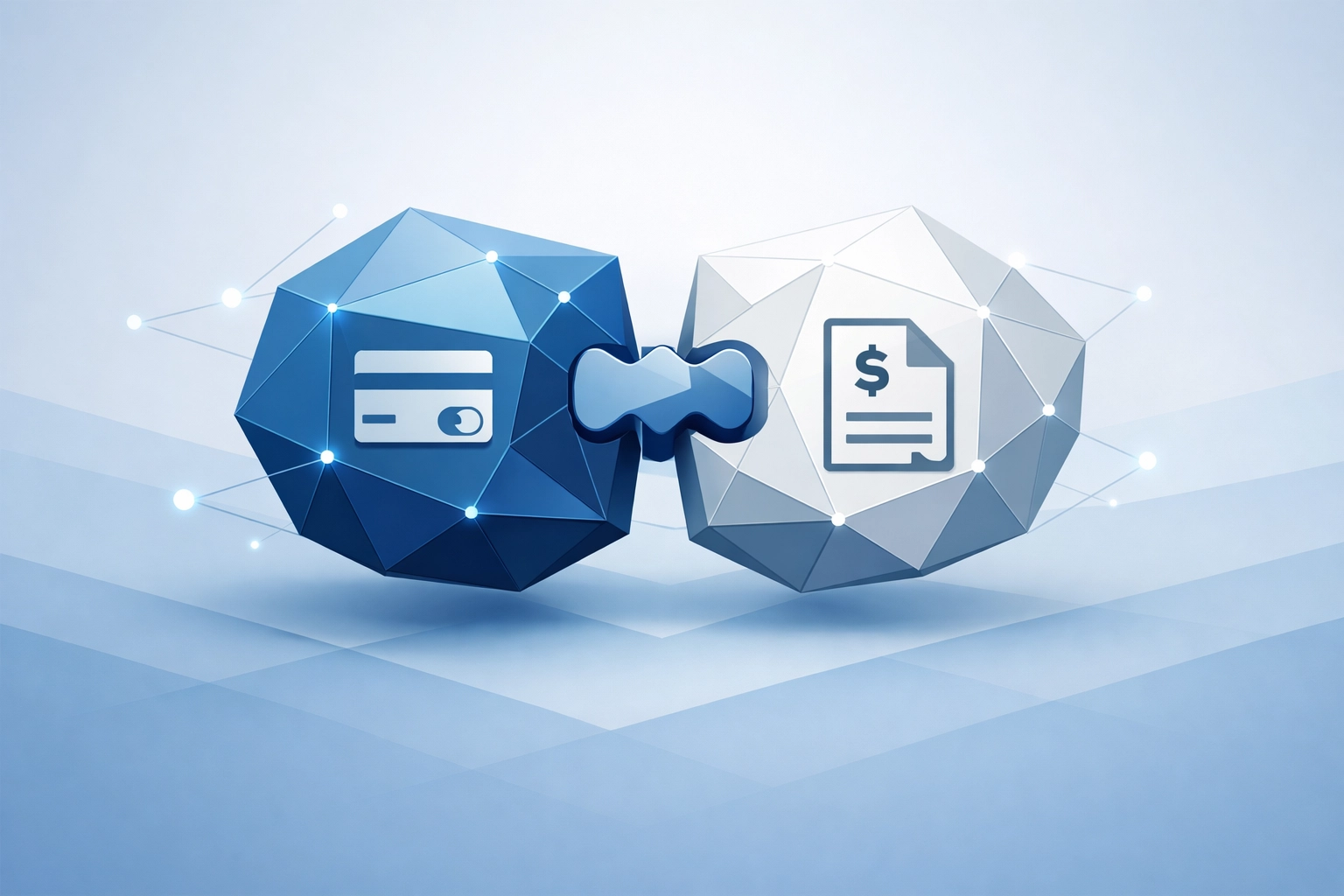
With ISO 20022, the reconciliation data travels with the payment. The invoice number, the discount applied, and the specific line items are baked into the message.
For fintechs, this is a massive competitive advantage. Imagine offering a platform where reconciliation happens in real-time, automatically, with 99.9% accuracy. You aren't just a payment processor anymore; you are an outsourced finance department. This is how you unbundle the incumbents and win market share.
Fraud Prevention in the Age of AI
Fraudsters love messy data. They thrive in the gaps between legacy systems where inconsistent formatting makes it easy to hide suspicious patterns.
ISO 20022 provides a unified framework that makes "targeted monitoring" possible. When every field is structured, AI and Machine Learning models can scan transactions with surgical precision. They can identify if a Tax ID doesn't match a name or if a payment purpose is inconsistent with the sender's usual behaviour.
By reducing the "noise" in the system, we reduce the number of false positives. This means less friction for legitimate customers and a much tighter net for actual criminals. In the 2026 landscape, security isn't just about building a bigger wall; it's about having better data.
The Gateway to Agentic Commerce
Perhaps the most exciting aspect of this "protocol revolution" is how it sets the stage for Agentic Commerce.
We are moving toward a world where AI agents: not just humans: will be the primary drivers of economic activity. Your fridge might negotiate a bulk-buy discount with a grocery bot, or a manufacturing sensor might autonomously trigger a parts order and a cross-border payment to a supplier in Germany.
For these machines to transact, they need a language that is machine-readable, unambiguous, and data-rich. Legacy MT messages are useless for an AI agent. ISO 20022, however, is the perfect native tongue for agentic AI in payments.
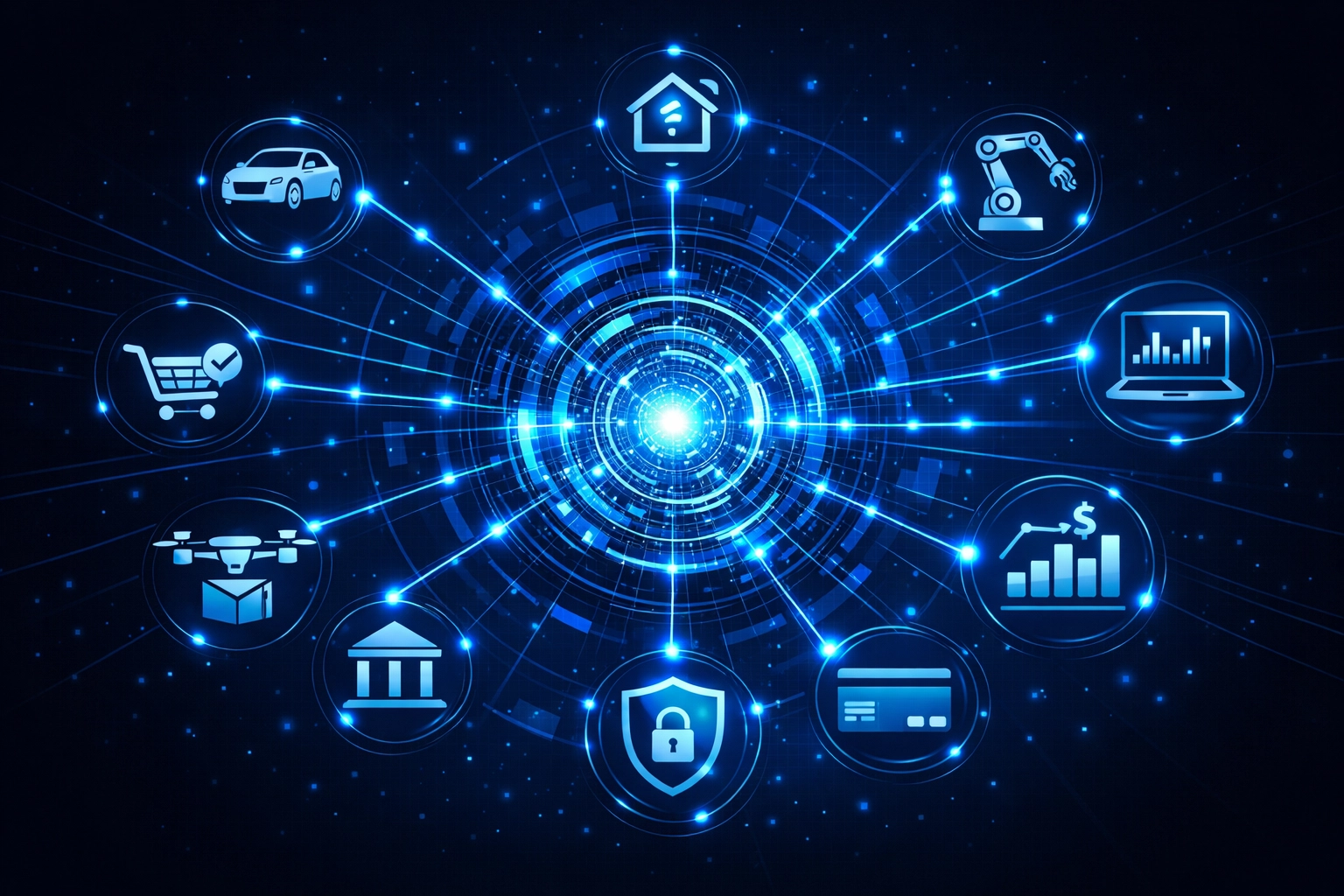
When the payment message contains the full context of the transaction, the AI agent can verify that the "contract" was fulfilled before the funds are released. It enables a level of automation that makes current "automated" systems look like stone-age tools.
Don't Just Comply: Optimise
The deadline for ISO 20022 migration is looming for most major financial institutions. Many are treating it as a "translation layer" problem: building wrappers around legacy systems so they can "talk" ISO on the outside while remaining legacy on the inside.
This is a mistake.
To truly capture the value of this shift, you need to go "native." You need to rethink your entire data architecture to take advantage of these rich fields. At Kian Jackson, we help fintechs and established financial players move beyond simple compliance and into strategic optimisation.
The organisations that win the next decade won't be the ones that just managed to stay compliant; they will be the ones that used ISO 20022 to:
Drastically reduce operational costs through automated reconciliation.
Boost revenue by improving authorization rates and reducing false declines.
Launch new products based on granular transaction data and AI-driven insights.
The Kian Jackson Verdict
ISO 20022 is the foundation of the 2026 strategy. It is the boring infrastructure work that makes the "sexy" stuff: like AI agents, real-time cross-border settlements, and invisible payments: actually possible.
If you are still looking at your ISO 20022 project as a cost centre, it’s time to change your perspective. It’s not a mandate; it’s the most powerful tool in your kit for building the future of finance.
Ready to turn your payment infrastructure into a strategic weapon?
At Kian Jackson, we specialise in navigating the intersection of legacy finance and future-tech. Whether you are struggling with ISO 20022 migration, looking to optimise your authorization rates, or planning for the era of agentic commerce, we are here to help.
Contact the team today at Riva Tech Consulting to start the conversation.
Let's stop talking about compliance and start talking about growth. Reach out directly via our contact page to see how we can help you lead the protocol revolution.

Comments